Leak Detection · Denver Metro
Leak Detection
Find hidden leaks behind walls, under floors and in slabs without tearing the house apart.
Get a quote for leak detection
The online form isn't set up yet. The fastest way to reach us is by phone.
Call (303) 555-0142Signs of a hidden leak
Most leaks do not show up as a puddle. They show up as a water bill that climbs with no change in how you live. Other warning signs include a stain that spreads on a ceiling, drywall that feels damp or soft, a musty smell in a closet or basement, peeling paint, warped flooring and a warm spot on the floor above a hot water line. The sound of water running when every fixture is off is another one. A simple check helps. Turn off everything that uses water, then watch your water meter. If the dial or the low-flow indicator keeps moving, water is going somewhere it should not.
How we find it without tearing out walls
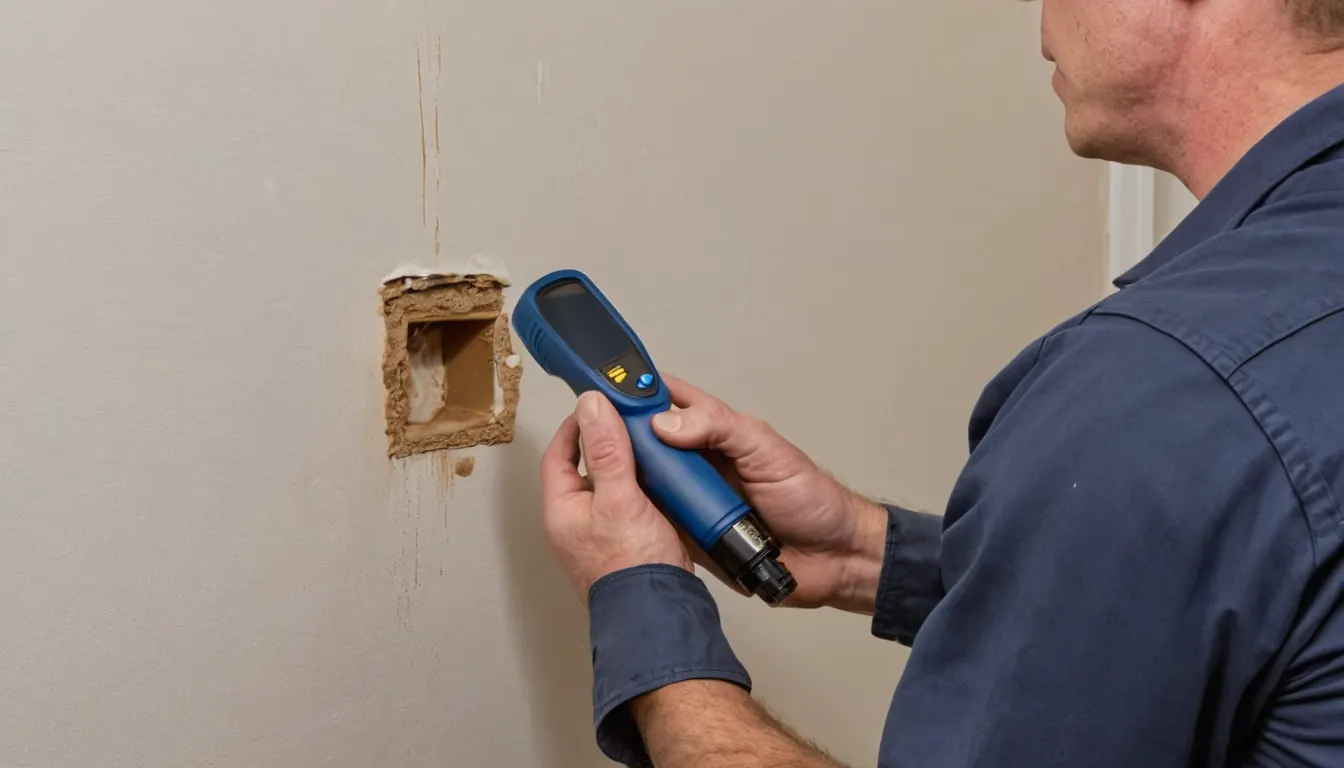
We start by listening. Acoustic equipment picks up the sound of water escaping a pressurized pipe and lets us trace it through a wall or a floor. A thermal camera shows temperature differences behind surfaces, which helps with hot water lines. A moisture meter reads dampness in drywall and wood. Pressure testing shows which water line is losing pressure and narrows the search to one run of pipe. Most leaks can be pinpointed without cutting anything open, and when we do have to open a wall, we cut the smallest hole that gets the job done.
Slab leaks
Some homes here sit on a concrete slab, and pipes under that slab can leak without any sign above. A slab leak often appears as a warm patch on the floor, the sound of water with nothing running, a damp edge of carpet or a sudden jump in the water bill. There are three common fixes. We can reroute the line through walls or the attic, line the damaged pipe from the inside, or open the slab at the exact break and repair it. The right choice depends on the age of the pipes and where the leak sits. We explain each one and price them side by side.
After we find it
Locating the leak is half the job. If it is a fixture, a supply line or an accessible pipe, we can usually fix it on the same visit. If a wall or floor has to be opened, we mark the smallest access point, tell you what it will cost and either patch it or leave it ready for your contractor. If insurance might cover the damage, we write up what we found, with photos. Policies often treat sudden damage differently from a slow leak, and every policy is different, so ask your agent before you assume.
Areas served
Leak Detection across Denver Metro
What you get
What's included
Non-invasive testing
Listening gear, thermal imaging and moisture readings before any cutting.
Water meter check
We confirm the leak is real and measure how fast it is running.
Pinpointed location
We mark where the leak is, so repairs open as little as possible.
Repair options in writing
Priced side by side, with no obligation.
Photo report
Findings documented for you and your insurer.
Pricing
Leak Detection cost guide
| Job | Typical range | Notes |
|---|---|---|
| Leak location, accessible areas | $200–$500 | Fixtures, supply lines, visible runs |
| Slab leak detection | $300–$800 | Includes marking the break on the floor |
| Supply line or fixture leak repair | $150–$500 | Usually done the same visit |
| Slab leak repair | $500–$3,000 | Spot repair, lining or rerouting, priced after we find it |
Get a price for leak detection
Tell us what's going on. A Summit Pipe & Drain plumber will call you back.
- Work guaranteed for 12 months
- Financing available on larger jobs
- Fully insured
Prefer to talk? (303) 555-0142
The online form isn't set up yet. The fastest way to reach us is by phone.
Call (303) 555-0142Why choose us
Why Denver Metro calls Summit Pipe & Drain
Upfront prices
You approve the price before we start
Same-day service
Most calls booked the day you call
Licensed and insured
License number on every invoice
No subcontractors
Our own plumbers on every job
5 out of 5 stars
Our water bill had doubled and nobody could say why. They found a leak in a line behind the finished basement wall, cut one small hole and fixed it. Very clear explanation of what they did and what it cost.
Priya S., Highlands Ranch · Google
Sample review
4 out of 5 stars
Tub drain wouldn't clear after two tries of my own. They cleared it and found a bad pop-up stopper that kept catching hair. Fair price, and the plumber showed me how to keep it from happening again.
Samira A., Aurora · Google
Sample review
5 out of 5 stars
We had the old gray plastic pipes replaced with PEX throughout the house. They gave us a schedule for the three days, patched the drywall access holes and passed the inspection the day it was done.
Ben W., Parker · Google
Sample review
The process
How it works
Tell us the signs
Share the bills, stains, sounds and anything else you have noticed.
We test the system
Meter check, pressure test and listening gear narrow the search.
We pinpoint the leak
You see where it is and what it will take to reach it.
You choose the repair
Written options, then we fix it or hand the details to your contractor.
Need leak detection today?
FAQ
Leak Detection questions
How do I know if I have a hidden leak?
A water bill that climbs for no reason, a damp or stained wall or ceiling, a musty smell and the sound of running water with everything off are common signs. Turn off all the water, then check your meter. If it keeps moving, you likely have a leak.
Will you have to cut into my walls or floors?
Rarely at first. We use listening equipment, thermal imaging and pressure tests to locate the leak. If we do need access, we cut the smallest opening possible and tell you before we do.
More services